
VIETNAM: ‘We hope young people who have voiced their anger and frustration will turn it into activism’
Angelina Huynh | UNITED STATES
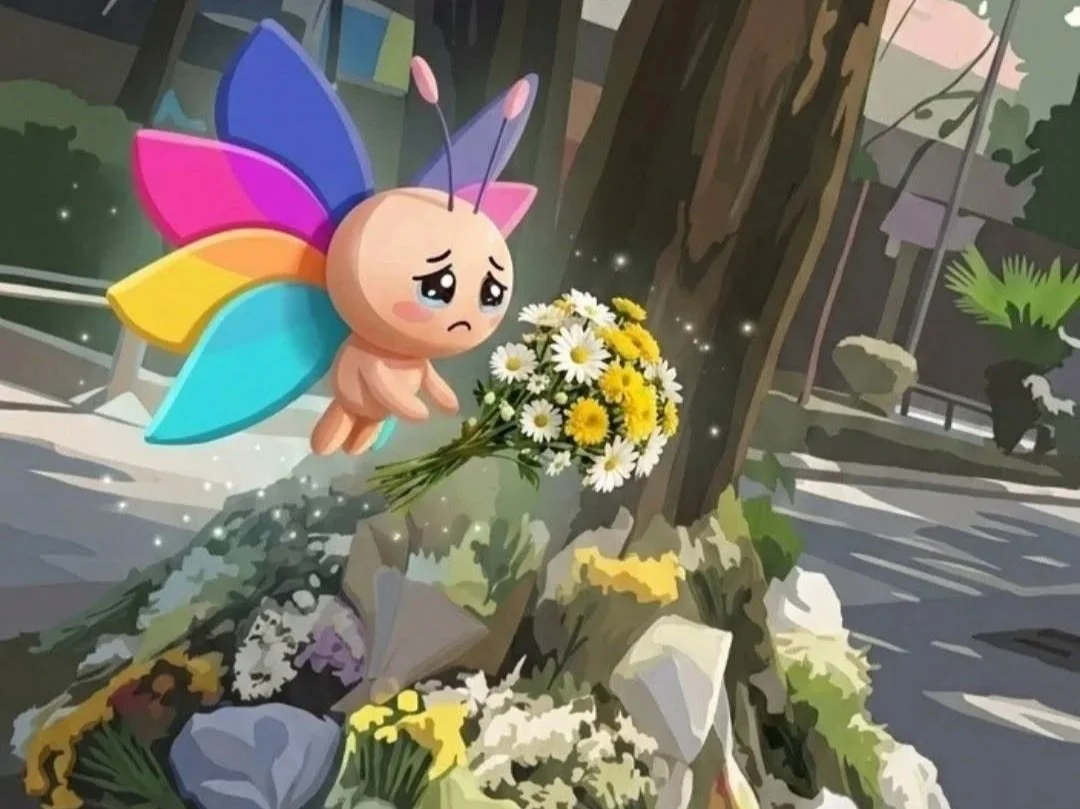
CIVICUS discusses Gen Z protests in Vietnam with Angelina Huynh, co-founder and executive director of Vietnam Rise, a civil society organisation that incubates decentralised civic and social movements across Vietnam and Southeast Asia.
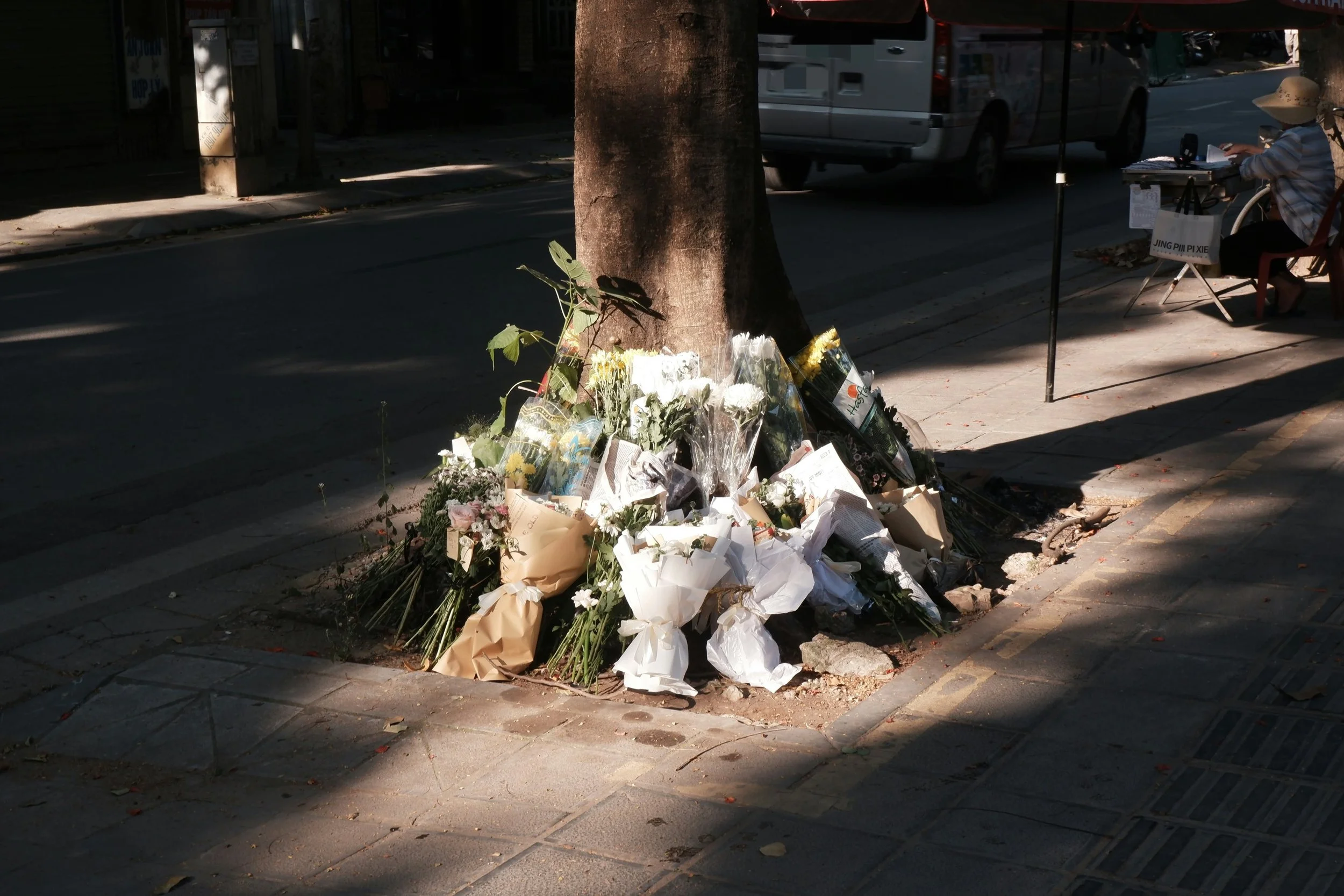
In August, Vietnamese officials confirmed that former lawmaker Nguyen Sy Cuong would face no charges over a May 2025 crash that killed 18-year-old student Do Ngoc Phuong Thuy, known as Mina. The case had faded from view until a censorship row involving the Culture Ministry, headed by Cuong’s wife, put it back in the spotlight. The ministry’s attempt to block posts naming him only fuelled public anger. Young people rallied around Memorial Tree 55, a roadside tree at the crash site on Hanoi’s Nguyen Huy Tu Street, and renamed it the Justice Tree. Despite surveillance and intimidation, their campaign continues.
What does Mina’s death reveal about impunity in Vietnam?
It reveals that the powerful can escape the law. Over a year after the crash, there’s been no clear legal response and no prosecution, despite the involvement of former National Assembly member Nguyen Sy Cuong. It’s yet another case of unequal treatment before the law. Everyday citizens would face legal consequences for similar actions, while powerful officials appear to enjoy protection from accountability.
The case also exposes the lack of civic freedoms, because another way to evade accountability is to smear those who speak out, branding them reactionary or accusing them of being influenced by foreign forces or plotting a colour revolution. Many young Vietnamese people face such accusations simply for voicing criticism or demanding change.
This has deepened public distrust of the one-party government. Young people, particularly Gen Z, feel a sense of injustice and insecurity. They worry about their future in a system with no free media and no accountability.
How did the movement emerge, and were there connections with Gen Z-led protests elsewhere?
The movement emerged organically. There was no leader and no organising group behind it. Many participants were young people with no activist experience. They were reacting to the injustice in front of them, out of frustration, and didn’t necessarily see their actions as politically sensitive. Meta’s Threads platform helped the movement spread fast.
I don’t think our movement was directly inspired by protest movements abroad. Rather, it reflects a broader shift towards decentralised, leaderless activism that is also emerging elsewhere. In Vietnam, this has produced a new form of youth activism that is decentralised, digitally enabled and adapted to local political conditions.
How have the authorities tried to stop the movement, and how have young people kept it alive?
People visiting the Justice Tree have reportedly been filmed, with their faces and licence plates recorded in an apparent effort to identify them. Some have been summoned to police stations and warned to stay out of it, and have described these encounters on social media. Schools have warned and pressured students.
Online, pro-government trolls have harassed and intimidated protesters, threatening them with arrest and sending private messages threatening their lives.
Young people have responded by adapting every time they hit a restriction. When police guarded the tree and stopped people laying flowers, young people created a virtual version. When that was blocked, they set up several more online and created physical memorials in Da Nang, Hanoi and Ho Chi Minh City. They recreated Tree 55 in online games.
They found less direct ways to show support offline. People who couldn’t visit the tree used Grab, a ride-hailing and delivery app, to send flowers. When laying flowers became impossible, young people tied white ribbons to their school bags.
Online, they used pseudonyms on Threads to share information and coordinate while protecting their identities. They also pushed the campaign into popular culture, engaging with the livestreams of public figures such as the online influencer Phuong Hang and spreading their message through artistic performances and songs, which AI made easier to produce.
Each time the tree’s physical presence was restricted, young people turned it into new symbols of solidarity and protest that could be replicated across platforms and cities.
Have civil society organisations played any role?
Organised civil society has played a limited role. Years of increasing repression have left Vietnam’s civil society stagnant. Established activists and groups have become wary of engaging with grassroots movements, and staff of civil society organisations have been reluctant to join the campaign for fear of repercussions. Organised civil society has therefore neither driven nor sustained it. For our part, we have encouraged participation and shared guidance on digital security and safe communications.
The movement’s nature makes collaboration harder. Its spontaneity helped it spread fast, but now makes it difficult to sustain engagement and plan longer-term action. And because it is decentralised, it is hard to know who is behind it. A viral Threads post can grab public attention, but its author isn’t necessarily an activist. This makes it hard for civil society groups to find the key people, build relationships and establish lasting collaboration.
What do you want to see next?
We want the authorities to publicly disclose their findings and give a transparent account of what happened to Mina. Cuong should face criminal charges. His wife, Culture Minister Lam Thi Phuong Thanh, was also in the vehicle and should publicly explain her involvement.
Looking ahead, we hope some of the young people who have voiced their anger and frustration will turn it into longer-term activism. Vietnam Rise and other civil society groups welcome the chance to help develop their capacity and provide the structural support needed for a stronger network that can stay active over the long term.
Source: Civicus