
UNRBHR Forum 2026: Building Trust and Collective Action for Workers’ Rights in Southeast Asia
On 16 September 2026, Vietnam Rise was honoured to co-organise a session with Human Resources Without Borders (RHSF) and Tenaganita at the United Nations Responsible Business and Human Rights Forum (UNRBHR).
Anchored in the Forum’s theme, “Building Resilience, Advancing Rights,” the UNRBHR explored how stronger governance, resilient markets and supply chains, effective accountability and remedy, and inclusive participation can reinforce one another in advancing responsible business and human rights.
Our session, “Building Trust and Collective Action to Improve Worker Rights in Southeast Asia: Case Studies from Migrant Workers in Malaysia and Workers in Vietnam and Thailand,” brought together perspectives from civil society, the United Nations, and grassroots worker organising.
The panel featured Trinity Pham (Vietnam Rise), Aliénor Desclais (RHSF), Joseph Paul Maliamauv (Tenaganita), and Krizel Malabanan (United Nations), and was moderated by Dr. James Gomez (Asia Centre).
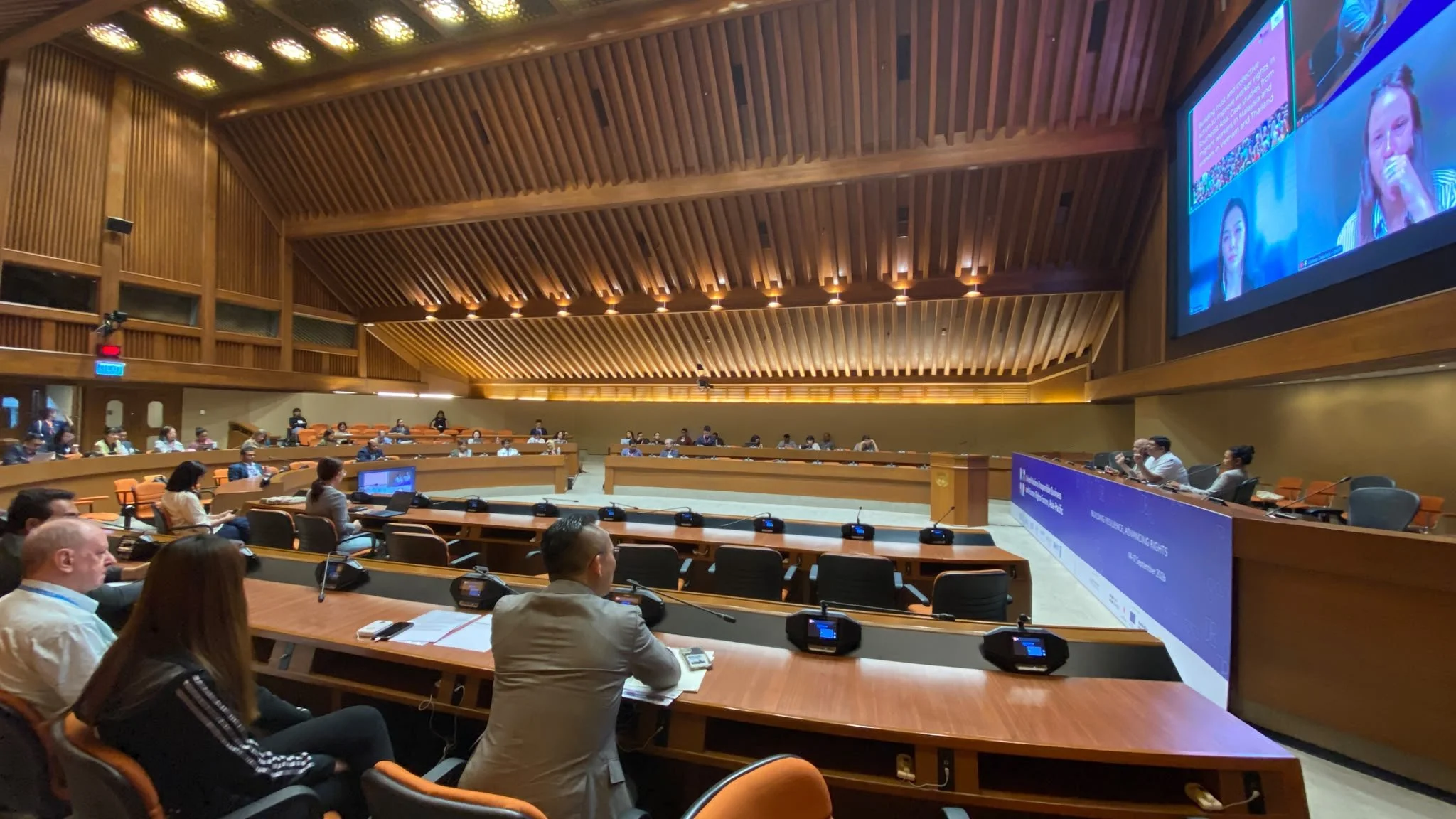
Organising for workers’ rights in a restrictive environment
Vietnam Rise shared insights into the challenges faced by workers seeking to organise and advocate for their rights in Vietnam.
The country’s labour environment presents significant constraints on independent worker organising. The Vietnam General Confederation of Labour (Liên Đoàn Lao Động) is the sole officially recognised trade union system, while government structures responsible for managing industrial zones and workers maintain close oversight of labour activity. This combination of institutional control and monitoring can make outreach and organising particularly difficult and risky, especially for those seeking to build independent movements.
In this environment, building relationships based on trust becomes essential. Much organising therefore takes place informally, often through regular social interactions such as hobby groups, sports activities, and other community spaces. These relationships can provide opportunities for workers to connect and discuss shared concerns in ways that are less visible than formal organising.
However, these efforts can also become difficult to sustain as government scrutiny increases. Organising activities may stall, and grassroots leaders can face heightened risks when their activities attract attention.
The discussion drew on Vietnam Rise’s report, “Case Study: Workable Practices in Initiating and Sustaining a Labour Rights Movement in Vietnam,” which examines the sustainability of labour movements through interviews with four members of a grassroots labour rights organisation in Vietnam.
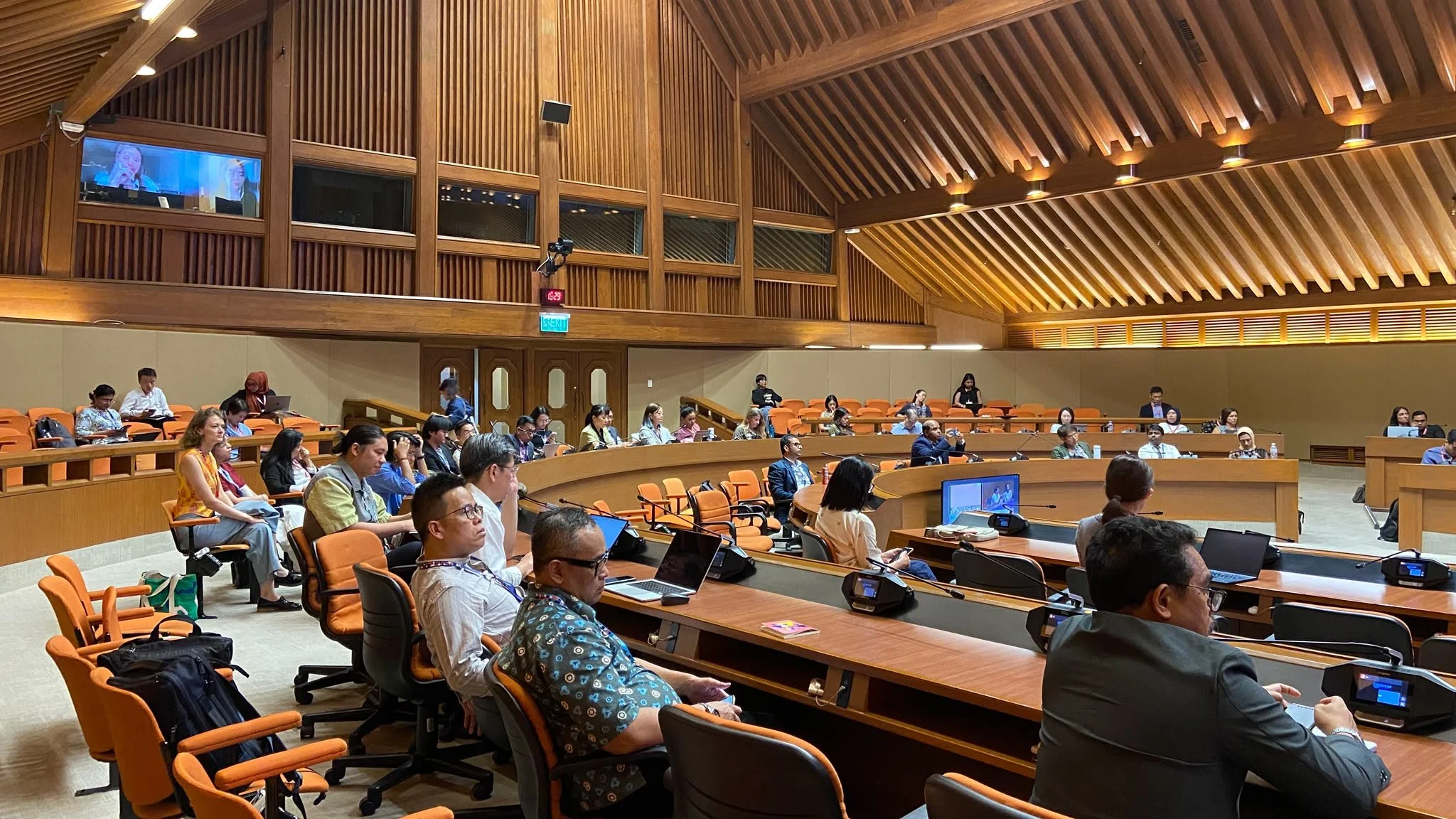
Building trust with migrant workers in Malaysia
RHSF and Tenaganita brought a different but closely connected perspective from Malaysia, focusing on migrant workers and the risks of forced labour.
Their work explores how trust can be built throughout the worker journey — from the pre-recruitment stage through to employment in the workplace. For migrant workers, vulnerabilities can emerge at multiple points, including recruitment, employment arrangements, communication with management, and access to grievance mechanisms.
Since 2021, Tenaganita and RHSF have worked with a company in Malaysia to experiment with concrete approaches to preventing forced labour. One important area of focus has been strengthening social dialogue and creating opportunities for workers to speak up at any time, rather than relying solely on formal complaint mechanisms.
This approach created greater opportunities for communication between workers and managers, helping to build trust over time.
Consistent communication also provided another important benefit: it allowed the company to identify patterns and trends in workers’ concerns rather than treating each complaint as an isolated incident.
When organisations respond only to individual cases, responses can become fragmented and unsystematic. Issues may be addressed temporarily without identifying the underlying patterns, while a lack of follow-through can further reduce workers’ confidence in grievance systems.
By contrast, regular communication can help businesses identify recurring issues earlier and respond more systematically — while giving workers greater confidence that their concerns will be heard.
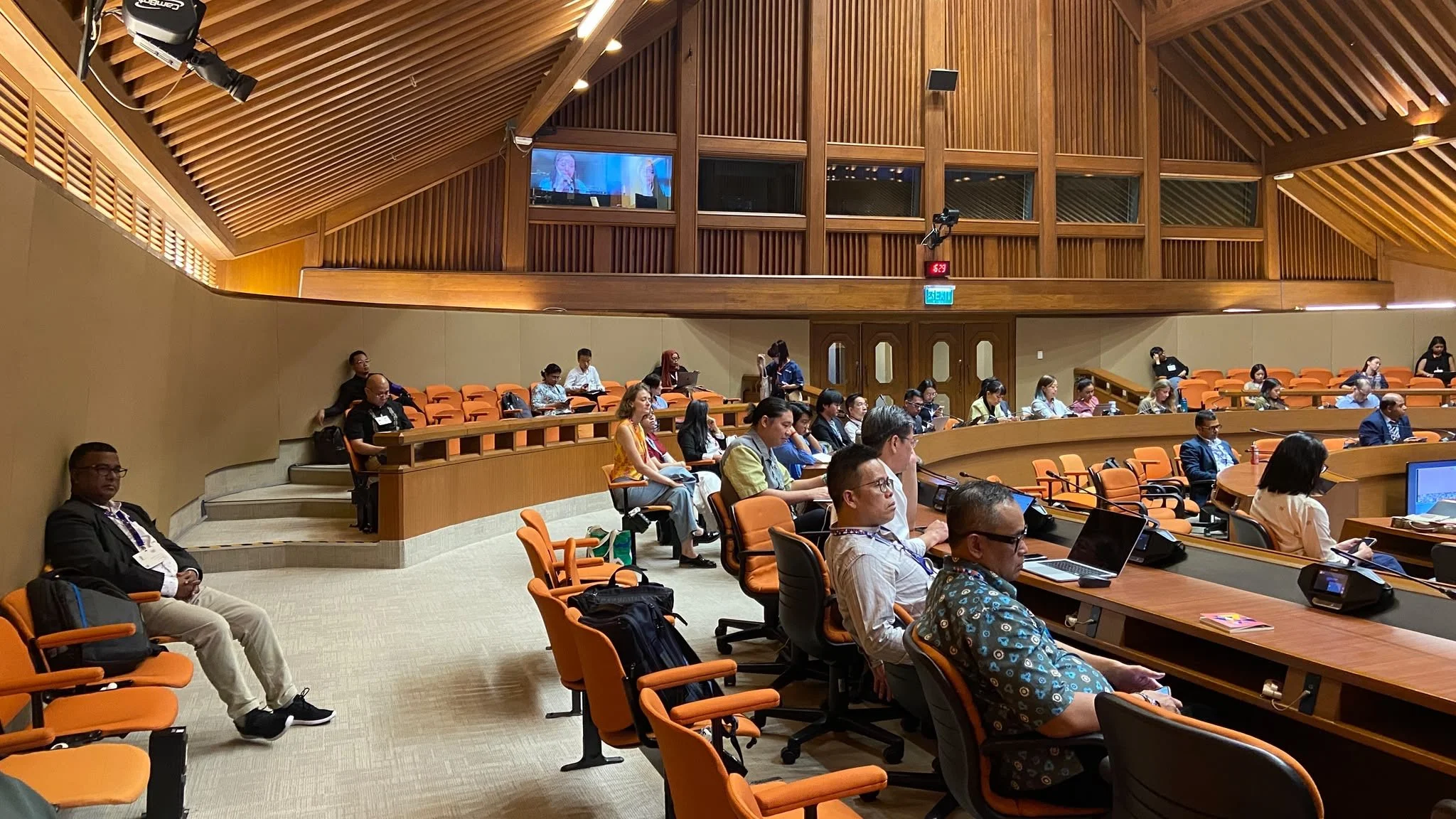
Connecting local experiences to regional advocacy
Krizel Malabanan, a Human Rights Officer of the UN OHCHR , placed these experiences within a broader regional framework for human rights advocacy.
The discussion demonstrated that while workers’ rights challenges vary across countries and sectors, many share common underlying questions: How can workers safely raise concerns? How can trust be built between workers and other stakeholders? What mechanisms allow workers to participate meaningfully in decisions that affect them? And how can advocacy remain effective when the operating environment is restrictive?
These questions become particularly important when considering the different environments in which workers’ rights advocates operate.
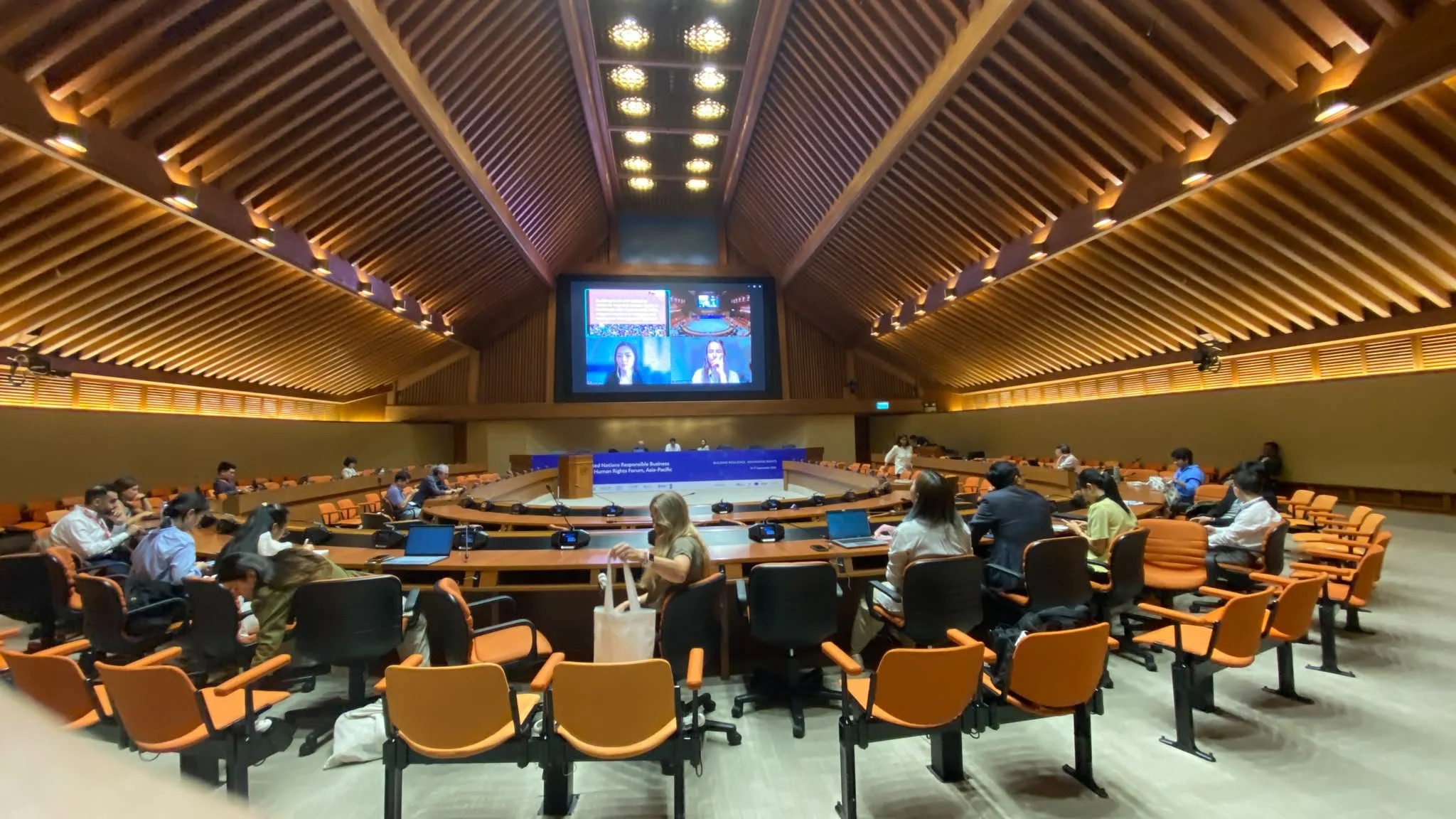
Different environments, shared challenges
The session brought together experiences from Vietnam, Malaysia and Thailand that illustrated the diversity of challenges facing workers across Southeast Asia.
The discussion highlighted that advocacy does not look the same everywhere.
In relatively open environments, workers and civil society organisations may have more opportunities to engage directly with companies, use formal grievance mechanisms, and build structured forms of social dialogue. In more restrictive environments, organising may need to rely on informal networks and relationships built gradually through trust.
Despite these differences, one theme connected the experiences shared throughout the session: trust is not something that can be established through a single intervention. It is built through consistent relationships, communication, and follow-through.
For workers, trust can mean knowing that raising a concern will not expose them to greater risks. For companies, it can mean creating channels through which concerns are surfaced early enough to be addressed. For advocates, it can mean developing relationships that enable collective action even when formal avenues are limited.
The experiences shared at the UNRBHR demonstrated that building resilience and advancing rights are deeply connected. Resilient systems are not only about stronger institutions or supply chains; they also depend on whether workers can participate, raise concerns, access remedy, and organise safely.
Creating those conditions requires sustained effort from workers, civil society, companies, governments, and international actors alike.
Vietnam Rise.