
Vietnam Perspective: Challenges in integrating youth voices into governance
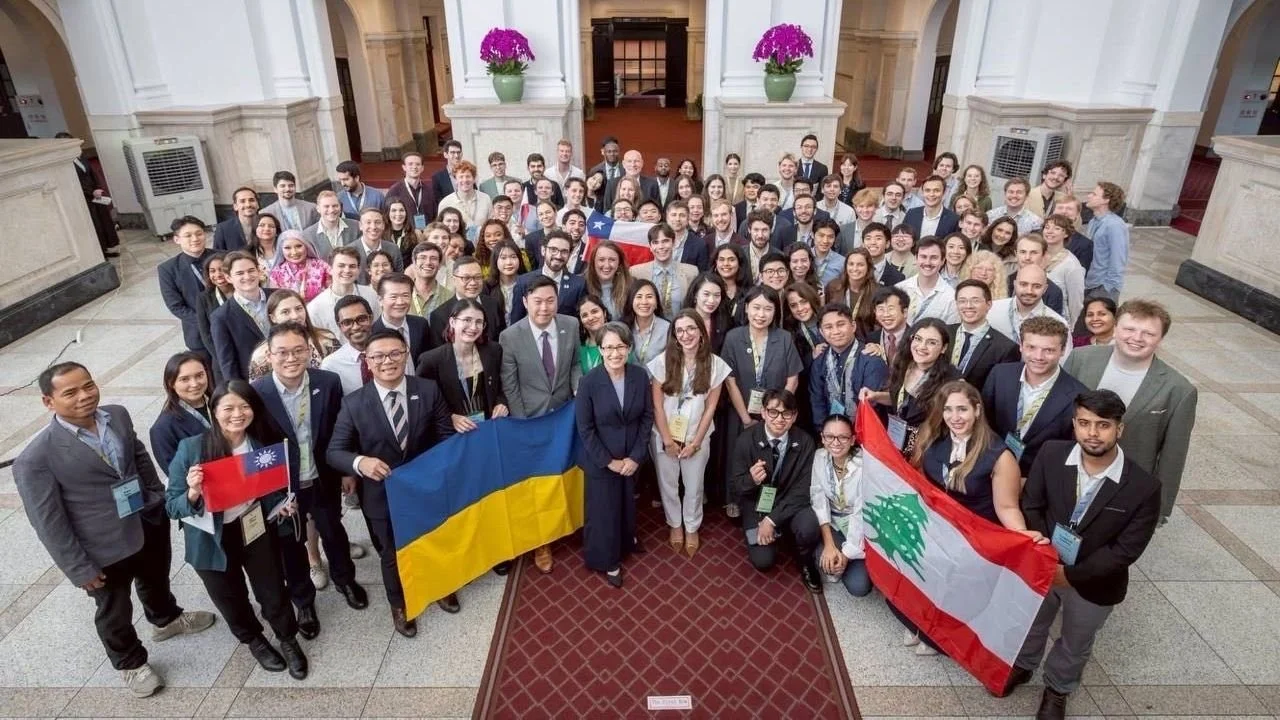
In June 2026, Vietnam Rise had the opportunity to share more about Vietnam’s political and civil society context to a group of political youth leaders across Europe and Asia. The following piece of writing is based on a presentation given about challenges in integrating youth voices into governance.
Youths are increasingly having an impact on policy within areas such as women’s education, climate concerns and systemic racism. Previously, youth participation was embodied by high profile activists such as Malala Yousafzai’s advocacy for girls’ education and Greta Thunberg’s environmental advocacy. Now however, collective movements such as Nepal’s 2025 Gen Z protests about government corruption have shown youths’ capacity to organize for causes such as the right to criticise authority and shake the political system.
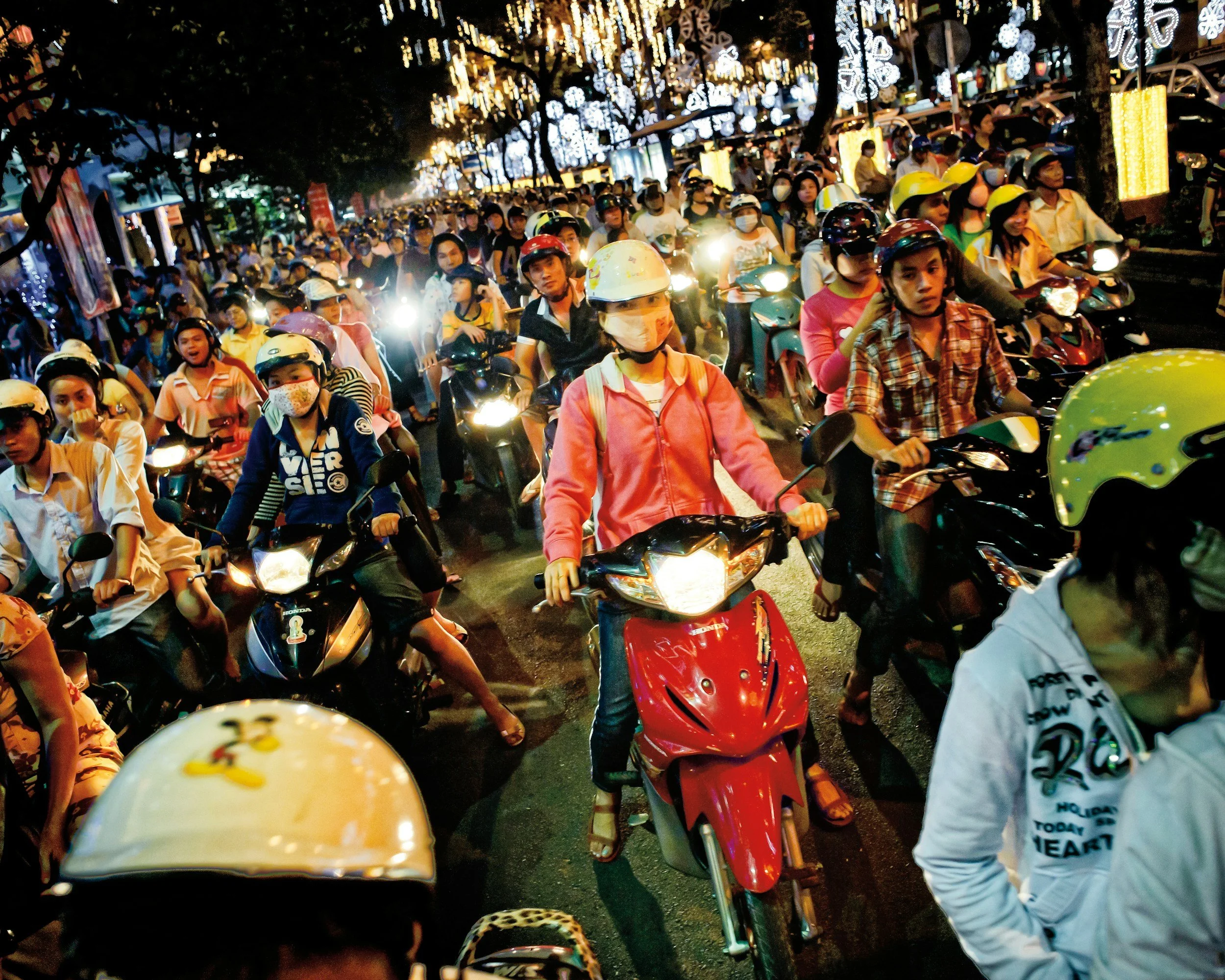
Within Vietnam however, there are still significant challenges to integrating youth voices into governance. To understand why, we should start with a broad overview of the state- and non-state-sponsored forms of youth engagement followed by an overall tracking of the Vietnamese youth activist’s journey.
The first important piece of background is the difference between youths’ state- and non-state-affiliated involvement under the one-party state of the Vietnamese Communist Party. Within the established state-run apparatus, there is the Ho Chi Minh Communist Youth Union (Đoàn Thanh niên Cộng sản Hồ Chí Minh) which falls under the umbrella group known as the Fatherland Front (Mặt trận Tổ quốc Việt Nam). The Communist Youth Union facilitates youth engagement in issues of interest to youth such as environmental concerns (e.g., climate change, animal rights) and volunteering in service of disabled or elderly people. Vietnamese youth volunteer for this Union, although sometimes they do this to gain participation points for subjects that they are studying in school.
While the Communist Youth Union does advocate for youth issues, it also functions as an arm of the government that suppresses youth if they try to advocate for more drastic policy changes. Civil society includes unregistered youth groups and community organizations working with youths, but their work is heavily restricted and monitored. Such groups will face punishment and crackdown if they focus on sensitive issues (e.g., environmental rights, anything relating to rights). Political parties outside of the VCP are illegal. Beyond state-sanctioned organizations and tightly controlled university settings, the Vietnamese government largely views interest groups such as youth and workers as potential threats to the regime’s stability. For example, in 2024, Fulbright University Vietnam faced dire accusations of fomenting a colour revolution after holding a commencement parade that omitted the Vietnamese flag. In our work with training grassroots groups and movement leaders in Vietnam, Vietnam Rise also notices significantly slowing and, in some cases, halting of some activist groups’ work after they have been subject to too much scrutiny from the government.
Against the complex backdrop of state and non-state activity, Vietnam Rise has been able to map stages in grassroots, Vietnamese activists’ journeys. Starting from recruitment, the following are major routes that inspire youth to engage in policy changes: triggers on social media or news that draw attention to injustices, NGOs and international movements, and the experiences of their friends or selves. Of these routes, spillover effects from international youth movements such as the environmental movement, #MeToo and Pride were notable inspirations to Vietnamese youth in advocating for these issues in their own country.
Challenges to youth engagement can be categorised as those relating to individual capacities versus external, social challenges. Internal barriers are a missing capacity for leadership and collaboration, fear of authority and crackdown and decision to choose silence and safety. These internal hindrances are traceable to patriarchal and collectivistic foundations that dictate Vietnamese society at all levels, right from the family structure to the government.
External barriers include movement actors’ reluctance to collaborate or divided views on how far to take the movements due to differences in risk tolerances. For example, the Vietnamese government outwardly takes a tolerant stance toward certain environmental activism such as trash cleanup. However, the government begins crackdowns as soon as groups form movements that seek policy change and become harder to control. These crackdowns might include interrogating leaders of such movements and accusing them of accepting foreign money. Arrest, imprisonment and expulsion from school/work are common punishments for activism.
The government also exploits the importance of family in Vietnamese society. Even if the activists themselves are steadfast in their convictions, they will apply pressure on family members (for example, threatening physical and reputational damage, employability) who will then implore their activist family member to stop. Lastly, it can be difficult for Vietnamese activists to make their issues known on a regional or global stage due to limited English proficiency compared to other Southeast Asian countries.
Based on our experience, we see the need for capacity building (e.g., leadership) and solidarity among domestic, regional and international youth. At this point, civil society may be the best path for youth to gain influence. Within the political system, they may either not have a voice or risk being maligned as anti-state actors.
Vietnam Rise